
After living with type 1 diabetes for nearly 30 years, I have learned that managing this disease is part physiology, part math, and a whole lot of patience. Lately, I’ve leaned into some unconventional tools that help me stay on top of my blood sugars and, more importantly, prevent burnout. These aren’t miracle fixes; they are things that make daily life with diabetes smoother and decision-making less exhausting.
In this post, I will spill the beans on all my T1D secrets that your doctor probably isn’t telling you, and why these things have been so helpful for me.
Please note, this post is not medical advice. Make sure to consult with your healthcare team before making any changes to your diabetes management routine. This post is not sponsored, however some of the links below may contain affiliate links. This means that if you click on a link and purchase a product, I may get a small commission at no cost to you.
Medications
Did you know that insulin is not the only medication that you can take to manage your T1D? While we all must take insulin to survive, there are some other medications that can make life a whole lot easier.
GLP‑1 microdose
After hearing from peers about the metabolic benefits and appetite regulation associated with GLP-1s, I decided to give it a try. I found a provider who also has T1D and is a big supporter of these medications. This provider was able to get me insurance coverage for Ozempic. I quickly found that the full starting dose (0.25 mg of Ozempic), was too much for me, so now I take about ⅔ of that amount and it is working great.
For me, it wasn’t about weight loss; it was about reducing cravings and food noise (something many of us with T1D deal with due to some other hormones we lack), smoothing post‑meal spikes, and improving insulin sensitivity. As a result, I now take less insulin, my A1C has improved, and I no longer get hangry all the time.
Keep in mind that GLP‑1s impact your insulin dosages, so I always recommend starting with a low dose and monitoring closely. Not everyone tolerates these medications; there are some drawbacks and things to watch out for, and they’re not appropriate for everyone with T1D. I highly recommend that anyone on a GLP-1 works with a registered dietitian.
Afrezza (inhaled rapid‑acting insulin)
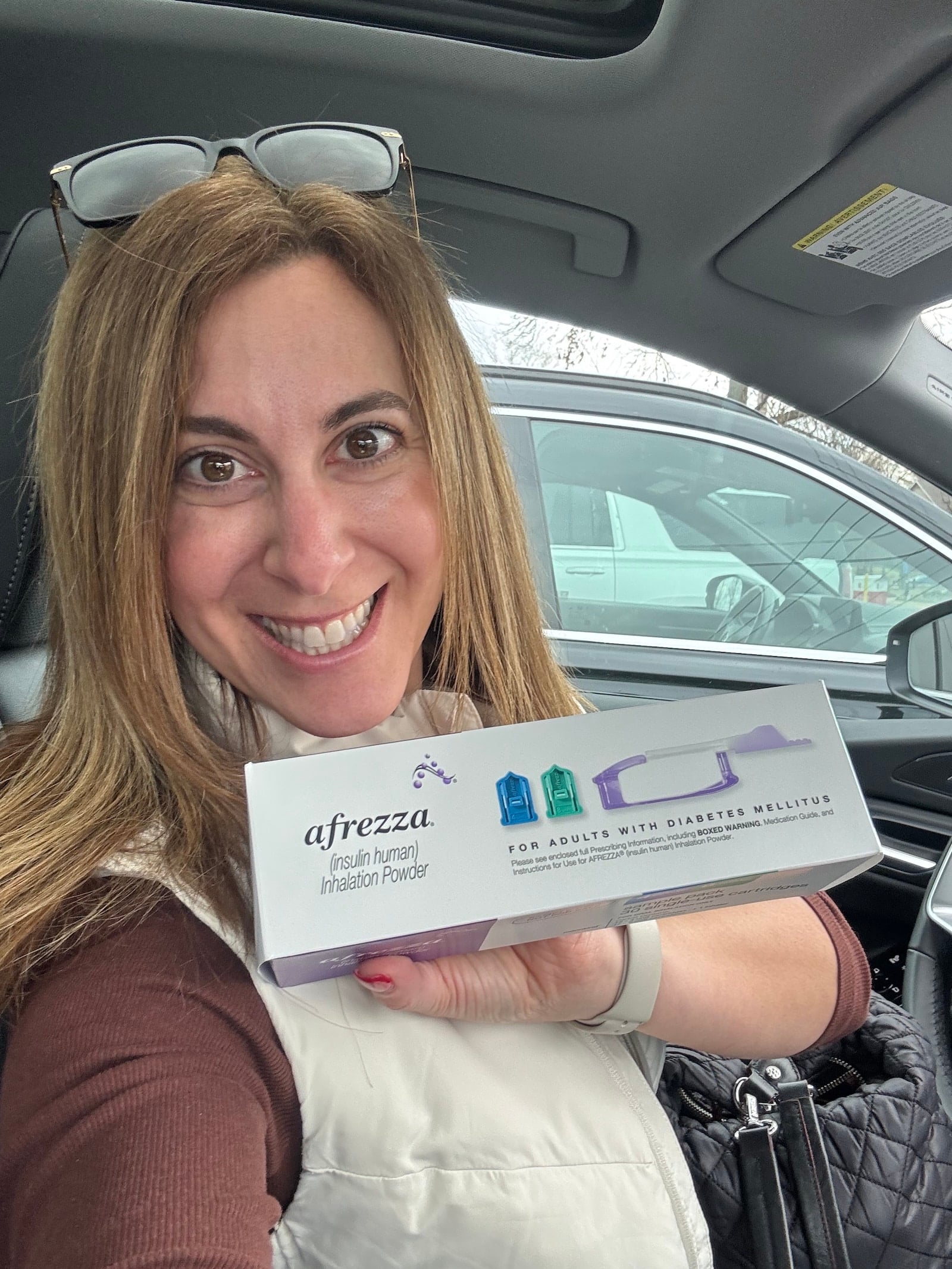
Afrezza is my go‑to for quick corrections and for meals when I’m out and don’t want to deal with pre-bolus or insulin-on-board math. The fast onset and shorter duration can be a lifesaver for post‑meal spikes and for avoiding late lows.
Afrezza lets me be more precise with timing. When I misjudge carbs or have a sudden high, Afrezza helps avoid the spike without sending me low hours later.
Keep in mind that Afrezza is not for everyone. There are lung function considerations, and it changes how you think about bolusing for meals, as it’s less forgiving if you need a longer tail of insulin for fat/protein-heavy meals.
Supplements + Hydration
Magnesium Glycinate
I had been hearing about the benefits of Magnesium for years. I have some intermittent difficulty sleeping (likely hormone-related), so I decided to give a Magnesium Glycinate supplement a try.
I now take 250mg in the evening before bed every night, and it has really improved my sleep quality. Better sleep = better blood sugar control!
Vitamin D + K
Historically, I have had low vitamin D levels and have taken a Vitamin D supplement sporadically; however, the older I get, the more I realize how important Vitamin D is for bone and cardiovascular health, among other things.
Earlier this year, I started having more frequent episodes of vertigo. I learned that low vitamin D can cause a type of Vertigo that I was dealing with called BPPV. Since adding 5,000 IU of Vitamin D3 to my routine, my Vitamin D level has increased by about 20 points, and my vertigo has also improved drastically.
Knowing your Vitamin D level is important as Vitamin D deficiency can lead to many issues. Make sure to have your levels checked before starting a supplement, and recheck them periodically, as both under- and over-supplementation carry risks and downsides.
LMNT electrolytes
Hydration is another of those habits I have always been aware of and tried my best to maintain, but I frequently missed the mark. Dehydration can lead to fatigue, headaches, and more severe issues over time. Your blood sugar can also be elevated if you are dehydrated. Dehydration is a migraine trigger for me as well.
I used to be skeptical of electrolytes, but after doing more research, I have realized they are a great way to stay hydrated. Electrolytes are helpful for those of us with diabetes because they counteract the dehydration and mineral loss caused by high blood sugar. When glucose levels are high, the kidneys flush excess sugar into the urine, which drags out essential fluids and minerals like sodium, potassium, and magnesium along with it. Replenishing these electrolytes helps maintain hydration.
The key is finding the right balance so you don’t overdo it, which can also have health consequences. I personally add ½ pack of LMNT to my water bottle daily.
Electrolytes don’t replace food or insulin. If you have kidney issues, high blood pressure, or specific electrolyte sensitivities, check with your healthcare provider about whether electrolytes are safe for you.
Tech Tools
Tidepool DIY Loop / Twiist

Switching from Omnipod 5 to DIY Loop has been a complete game-changer for me. The algorithm is so much more customizable and less restrictive. I currently use Loop with Omnipod Dash pods and the Eversense 365 CGM (I used to use Loop with Dexcom G6), which has been a great experience. Loop has given me better blood sugar stability and less mental burden.
Twiist runs off the same Tidepool software, just a slightly older version, so for those intimidated by building the Loop app, Twiist is a great option as well.
Keep in mind that DIY systems require a degree of technical comfort, upkeep, and an understanding of risks. They’re off‑label and need careful setup and monitoring.
Eversense 365
The Eversense 365 also intimidated me at first. The idea of having a device implanted in my arm for a year sounded terrifying at first, but the more positive reviews I read, the more convinced I became that I needed to give it a try, and I am SO glad that I did!
The Eversense has been the most accurate CGM I have ever worn. Besides charging it for about 10 minutes every couple of days and calibrating it once/week, I don’t even think about it. It is consistently accurate and gives me so much peace of mind. It has also been great for my skin as it uses a gentle silicone adhesive that you can change daily.
The Eversense 365 requires a minor procedure for insertion/removal, and insurance navigation can be a pain for some.
Sugar Dash & Sugar Pixel
Sugar Dash gifted me one of their Sugar Dash devices several months ago, and I instantly fell in love. The version they sent does not offer audible alerts, but it shows my blood sugar, the trend arrow, and the amount my blood sugar has changed since the last reading. Initially, I kept the Sugar Dash in my bedroom, and it quickly became a game-changer for improving my sleep. Instead of waking up in the middle of the night, turning on my phone, and opening an app, now all I have to do is open my eyes and glance at the Sugar Dash to see my blood sugar. It may sound like a small win, but it has made a big difference for my sleep.
I have since moved the Sugar Dash to my office so I can easily keep tabs on my blood sugar while I am working, and I purchased a Sugar Pixel for my bedroom. I was having trouble with not waking up from the alerts for my Eversense, and now with the loud alerts and vibration from the Sugar Pixel, I have no issues.
I highly recommend getting one of these devices (or maybe one for every room!)
Mindset and Fundamentals
Growth mindset + community
Even though I live and breathe diabetes in both personal and professional life, I still lean into a growth mindset every day. I am constantly connecting with the diabetes community, reading articles, watching content from T1D creators, and staying up to date on the latest research. My best ideas often come from other T1Ds, FTF Warrior clients that I work with, and coaches or content creators.
I listen to diabetes podcasts on commutes and walks, swap tips in community threads, and pick a few trusted voices to follow. Books and occasional courses have also helped me reframe setbacks into opportunities. I aim to treat every high, low, or wonky blood sugar as a data point.
Testing basal rates and insulin ratios
After having diabetes for a while, it can be easy to become complacent, lean on intuition, or let burnout get in the way. Just like anything else in life, our bodies change over time, and it is crucial to periodically test basal rates, insulin-to-carb ratios, and sensitivity factors.
My role as a coach with FTF Warrior focuses solely on helping private clients test these things, and as a result, I have become acutely aware of how crucial it is to get these foundational pieces in place for greater stability and peace of mind.
Final Thoughts
These tools that I have added to my toolkit were not introduced overnight. I like to try one new thing at a time and give it a few weeks to see if it really helps me. If a tool adds more stress than it saves, it’s out.
This unconventional toolkit is less about shiny new stuff and more about improving my quality of life: fewer sensor swaps, faster corrections, less decision fatigue, and a community that truly helps me. None of these items alone are truly life-changing, but together they’ve made my T1D feel a little less like a burden.
When adding a new tool to your diabetes tool kit, remember to start slow, do your research, monitor closely, and swap notes with someone who’s walked the path.
Lastly, make sure to utilize your diabetes care team for questions and advice, especially with medications and supplements.
Before you go, make sure to follow along on Instagram (@mamabetesblog) for more real-life tips, product reviews, recipe ideas, and exclusive content, and don’t forget to sign up for the free Mama-Betes newsletter!