
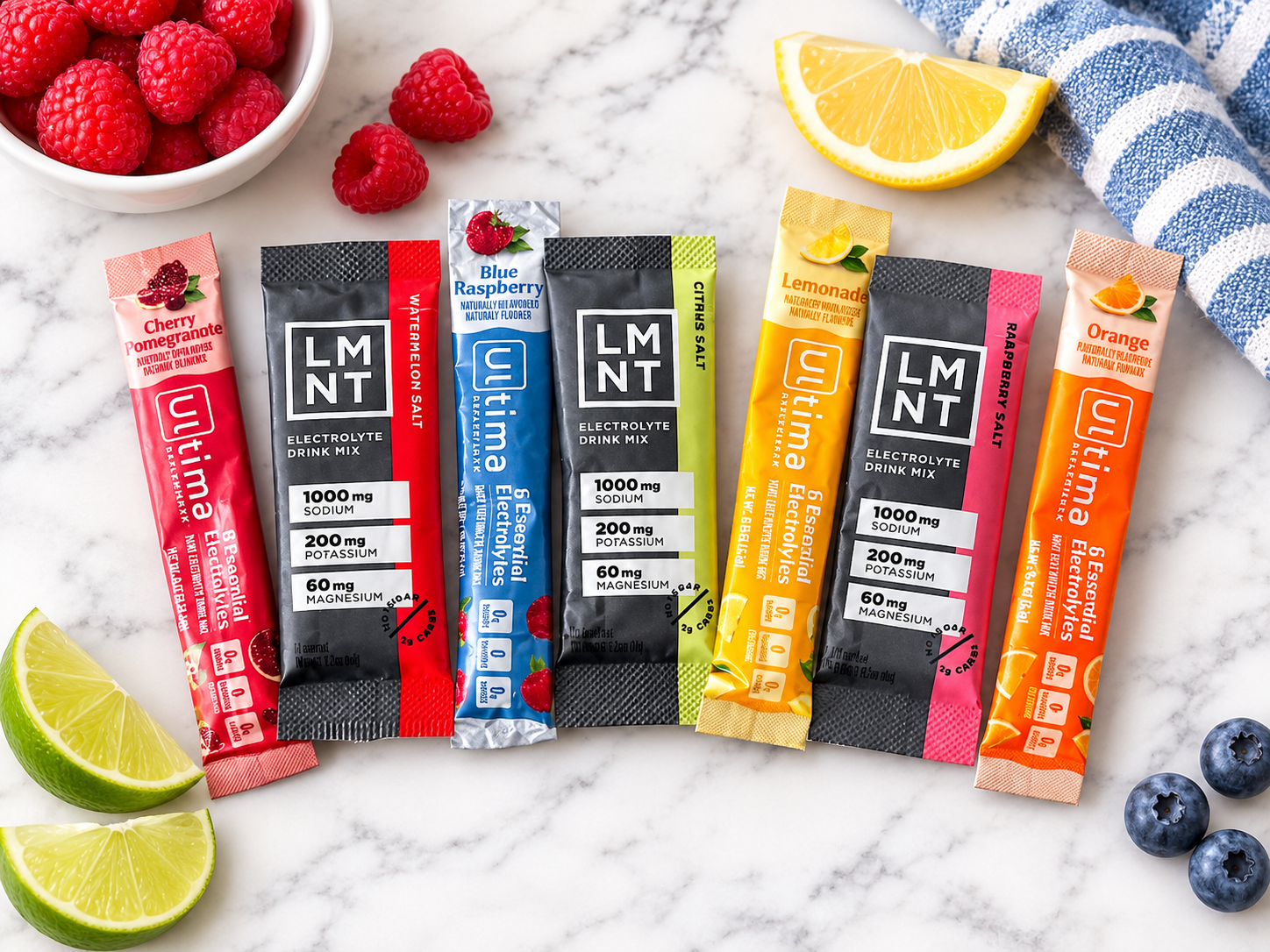
If you had told me a few years ago that one of my favorite daily habits would be drinking salty water, I would have laughed. But here we are! Every day I mix half a packet of LMNT into my water bottle, and it has honestly become one of the simplest things I do for my health.
I have learned that dehydration is a big trigger for headaches, migraines, and vertigo for me. Since being more consistent with my water intake and drinking electrolytes daily, my headaches, migraines, and vertigo have drastically improved, along with my blood sugars.
I want to be clear up front: electrolytes are not a magic fix, and they are not a replacement for insulin, water, or your care team. But for me, they filled a gap I didn’t even know I had. Here’s why I take them daily, what I’ve noticed, and who should check with their doctor before trying them.
This post is not medical advice. Please talk with your healthcare team before making changes to your diabetes management or adding supplements. This post is not sponsored, and all opinions are my own. This post may contain affiliate links, which means I may earn a small commission at no extra cost to you.
Why Hydration Is Extra Tricky with T1D
Staying hydrated is important for everyone, but those of us with type 1 diabetes have a few extra things working against us.
When blood sugar runs high, the kidneys work to get rid of the extra glucose through urine, pulling water and electrolytes like sodium and potassium out with it. That’s why high blood sugar often comes with that intense thirst and frequent bathroom trips. Even if you drink plenty of water afterward, plain water replaces the fluid but not the minerals you lost.
Add in exercise, hot or humid weather, sick days, caffeine, and the general chaos of mom life (raise your hand if you’ve realized at 4 pm that you’ve had one cup of coffee and zero glasses of water), and it’s easy to end up a little dehydrated.
Why it matters: Dehydration can make blood sugars harder to manage, and dehydration symptoms can look a lot like high or low blood sugar symptoms: headache, fatigue, brain fog, and dizziness.
What’s in LMNT
LMNT is a zero-sugar electrolyte drink mix. One full stick contains 1000 mg of sodium, 200 mg of potassium, and 60 mg of magnesium. That sodium number is much higher than most electrolyte mixes, which usually land somewhere between 100 and 500 mg. A full stick works great for heavy sweaters or long workouts, but for my everyday needs, a half packet in about 16–20 oz of water is my sweet spot. It also makes the box last twice as long, which my wallet appreciates!
5 Ways Daily Electrolytes Have Helped Me
1. Better Hydration
I’ve noticed that after I drink my electrolytes, I actually feel more hydrated. My lips and skin feel less dry, I am not constantly thirsty, and I have more energy.
Why it works: Sodium helps your body hold onto the water you drink instead of flushing it right back out. Water plus electrolytes tends to hydrate better than water alone.
Practical tip: If plain water is hard for you to drink, a flavored electrolyte packet can make it easier to actually hit your fluid goals.
2. Fewer Headaches
I used to get frequent headaches out of nowhere, especially in the afternoons. Now, I rarely get a headache.
Why it works: Dehydration is a common headache trigger. Keeping fluids and electrolytes steady throughout the day helps remove one more possible trigger from the list.
Practical tip: If you tend to get afternoon headaches, try drinking your electrolytes in the morning or early afternoon instead of waiting until you feel bad.
3. Fewer Vestibular Migraines
This one has been the biggest game-changer for me. I have struggled on and off with vertigo for several years. I was diagnosed with vestibular migraine about 10 months ago. Since then, I have made hydration and daily electrolytes a priority, and my vertigo symptoms have drastically improved.
Why it may help: Research on diet and vestibular migraine is still pretty limited, but the inner ear depends on stable fluid balance. The Vestibular Disorders Association recommends drinking enough fluids and spacing food and fluids evenly through the day.
Important caveat: Some people with vestibular conditions, especially Ménière’s disease, are told to limit sodium. What works for me may not be right for you, so please talk with your doctor before adding a high-sodium product if you have a vestibular diagnosis.
4. More Steady Energy
I used to feel sluggish, especially in the afternoons. While I still have a lazy day here or there, I have noticed that my energy levels have improved noticeably since I started drinking electrolytes.
Why it works: Even mild dehydration can leave you feeling tired and foggy. Sodium, potassium, and magnesium all play roles in nerve and muscle function, so staying topped up can help you feel more like yourself.
Practical tip: Before reaching for a second (or third) cup of coffee, try a glass of water with electrolytes and see how you feel.
5. Smoother Blood Sugars
I have noticed my blood sugars tend to be more stubborn and my CGM is less accurate when I am not properly hydrated. Both of these issues have improved as my hydration levels have improved.
Why it may help: When you’re dehydrated, blood sugar can run higher, and insulin may not seem to work as well. Hydrating is one of my go-to tricks for stubborn highs (I talk more about this in my post on 6 Tricks to Quickly Lower Stubborn High Blood Sugars).
Important caveat: Electrolytes don’t lower blood sugar on their own, and they are not a substitute for insulin. If you have high blood sugar with moderate or large ketones, nausea, or vomiting, follow your sick day plan and contact your care team right away.
Who Should Be Cautious with Electrolytes
As a dietitian, I have to say this part! High-sodium electrolyte mixes are definitely NOT right for everyone. Check with your healthcare provider first if you:
- Have high blood pressure or have been told to follow a low-sodium diet
- Have kidney disease
- Have heart failure or another heart condition
- Take medications that affect potassium or sodium levels (like certain blood pressure medications or diuretics)
- Have Ménière’s disease or another vestibular condition where sodium restriction has been recommended
- Are pregnant or breastfeeding
It’s also worth looking at your overall diet. If you already eat a lot of salty or processed foods and aren’t sweating much, you may not need the extra sodium. There are lower sodium electrolyte options available, such as Ultima.
Final Thoughts
Taking electrolytes daily has been one of those small, easy habits that makes a big difference for me. Better hydration, fewer headaches and vestibular migraines, more energy, and smoother blood sugars have all made life feel a little more manageable.
That said, everyone’s body is different. Start small, pay attention to how you feel and what your CGM shows, and loop in your care team.
Do you take electrolytes? I’d love to hear what’s worked for you in the comments! And for more simple tips for life with diabetes, make sure to follow along on Instagram (@mamabetesblog) and don’t forget to sign up for the free Mama-Betes newsletter!